BackDBS Bank

DBS Bank

HashKey
2026-08-27 10:33:02

HashKey reports 20.6% revenue growth in H1 2026 as institutional trading volume jumps 58.8%

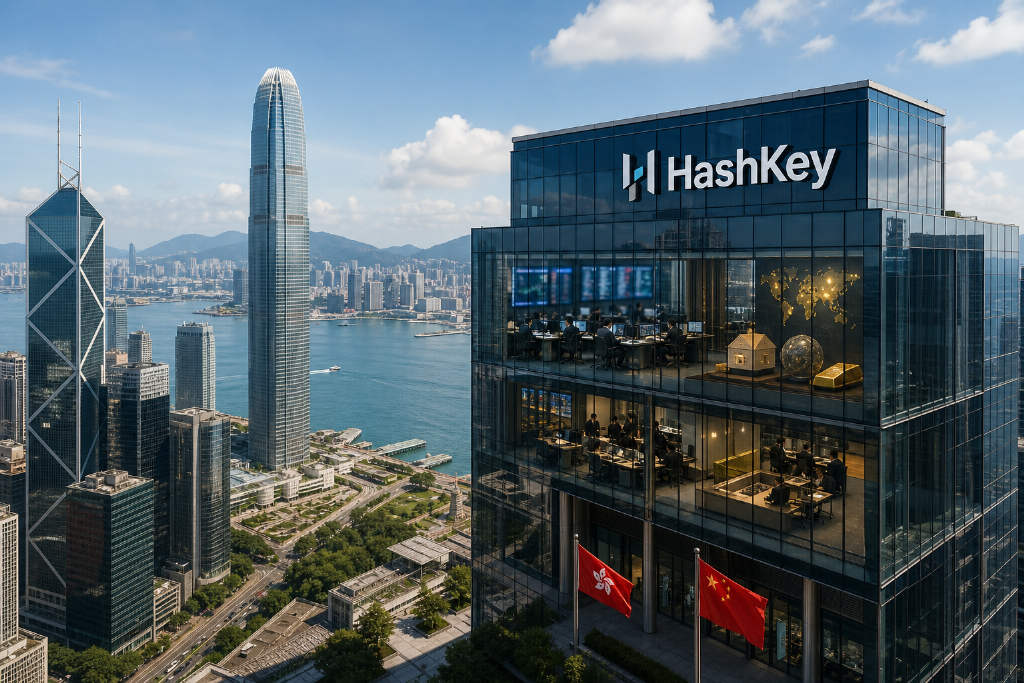
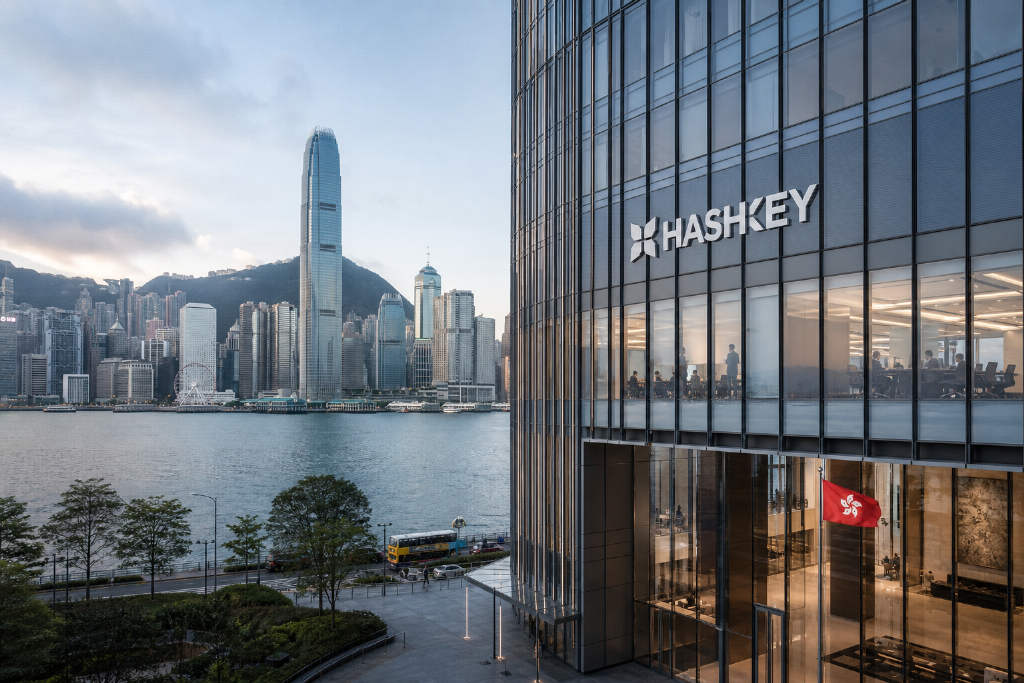
HashKey Holding released its interim results for the first half of 2026 on Aug. 27, posting higher revenue, narrower adjusted losses and a bigger institutional trading mix despite a broad contraction in the global crypto market. Total revenue reached HK$343 million, up 20.6% from a year earlier, while gross profit rose 12.5% to HK$208 million and gross margin improved to 60.6% on a sequential basis. Adjusted loss narrowed from HK$398 million in the same period last year to HK$315 million, a 21% reduction. The exchange facilitation business remained the biggest contributor, generating HK$268 million in revenue, up 38.6%. Platform trading volume climbed 31.8% to HK$282.2 billion, with institutional clients accounting for HK$231.5 billion, up 58.8% year over year and representing 82% of the total. The report also highlighted growth in tokenization and on-chain services, where total on-chain RWA value reached HK$2.68 billion, up 167.8%, including what it described as Hong Kong’s first real-estate RWA and first regulated silver RWA token. Alongside the financial results, HashKey disclosed a string of expansion moves spanning Singapore, Vietnam, Dubai and Bermuda, as well as partnerships with JPMorgan, DBS Bank, Canton and Morpho.
230
HashKey reports 20.6% revenue growth in H1 2026 as institutional trading volume jumps 58.8%
HashKey
2026-08-27 09:17:11

HashKey posts 20.6% revenue growth in 2026 interim results as adjusted loss narrows 21%

HashKey Holding Limited reported unaudited interim results for the six months ended June 30, 2026, showing higher revenue, improved gross profit and a narrower adjusted loss despite a broader pullback in the global crypto asset market. The company said total revenue reached HK$343 million, up 20.6% year over year, while gross profit rose 12.5% to HK$208 million. Gross margin improved to 60.6% from the second half of 2025, and adjusted loss, measured on a non-IFRS basis, narrowed 21.0% to HK$315 million from HK$398 million a year earlier. HashKey’s trading business remained the main growth driver, with trading facilitation revenue climbing 38.6% to HK$268 million and total platform trading volume increasing 31.8% to HK$282.2 billion. The company also reported growth in tokenization and asset management, disclosed a proposed acquisition involving Singapore’s Asia Pacific Exchange, and outlined strategic investments in Vietnam’s CAEX and derivatives technology firm SignalPlus.

380
HashKey posts 20.6% revenue growth in 2026 interim results as adjusted loss narrows 21%
DBS Bank
2026-08-27 03:22:07

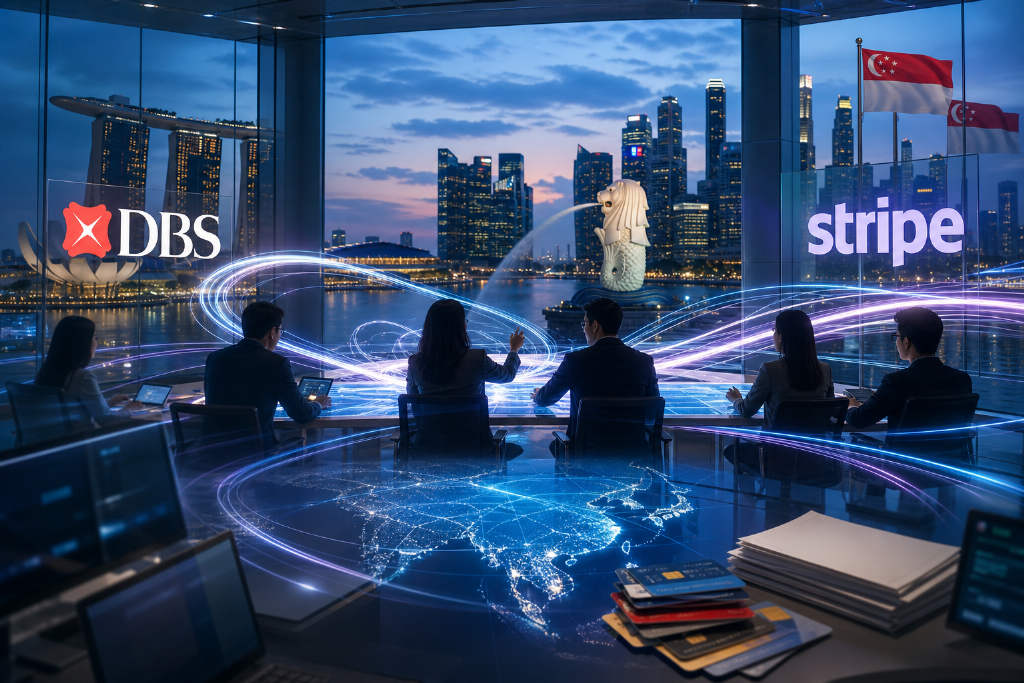
DBS and Stripe team up on AI and cross-border payment services in Asia

DBS Bank has entered into a partnership with payments platform Stripe to jointly develop artificial intelligence and cross-border payment solutions in Asia, according to Techub News, citing Tech in Asia. The tie-up centers on payment efficiency and regional expansion, with both companies working on services aimed at the Asian market. DBS CEO said the bank expects AI technology to generate more than $768 million in additional revenue by 2025. Beyond product development, DBS will also help Stripe manage liquidity and cash positions across its corporate entities. The arrangement adds an operational banking layer to the partnership while linking it to Stripe’s broader payments business in the region.

100
DBS and Stripe team up on AI and cross-border payment services in Asia
HashKey Excha
2026-08-03 09:39:16

HashKey Exchange cleared by JPMorgan to open client money account

HashKey Exchange, a licensed cryptocurrency exchange in Hong Kong, has received approval from JPMorgan to open a client money account, according to ChainCatcher. HashKey Holdings said the account will use JPMorgan’s banking infrastructure to support segregation and settlement of client funds. The update adds to the exchange’s recent banking arrangements and product changes. On June 30, HashKey Exchange enabled a client money account with DBS Bank in Singapore, allowing fiat deposits, withdrawals, and settlement services. One week earlier, HashKey Holdings merged the previously separate HashKey Exchange and HashKey Global apps into a single entry point. The company was listed in Hong Kong in December last year after raising $206 million in an oversubscribed initial public offering. The latest move links HashKey Exchange with another global bank as it continues to build out account infrastructure tied to customer assets and settlement functions.

970
HashKey Exchange cleared by JPMorgan to open client money account
Robinhood
2026-07-26 11:22:32

IOSG says Robinhood’s new L2 keeps trading, settlement and tokenized assets inside its own stack

IOSG’s latest deep dive argues that Robinhood is no longer renting blockspace from someone else’s network. By launching its own Layer 2, the company now controls the rails for trading, settlement, collateral, yield and asset circulation, a move the report frames as a direct answer to Coinbase’s Base. Robinhood Chain was built for tokenized equities and broader real-world asset activity, yet its first wave of traction came from meme coins and AI agents rather than stocks. As of July 20, 2026, IOSG said RWA assets still accounted for only about 4% of total value locked. The report lays out a layered structure around the chain, including USDG as the main settlement dollar, USDe as a yield-bearing collateral asset, Wallet as the user entry point, and separate perpetual venues such as Lighter and Arcus. It also spends considerable time on the legal structure of Robinhood’s stock tokens, describing them as tokenized debt securities issued by Robinhood Assets (Jersey) Limited rather than direct ownership of underlying shares. IOSG’s conclusion is that the infrastructure economics already make sense for Robinhood, but the unresolved question is whether meme-driven traffic can be converted into durable RWA activity and whether the company will eventually publish reserve proof for its stock token model.

1610
IOSG says Robinhood’s new L2 keeps trading, settlement and tokenized assets inside its own stack